
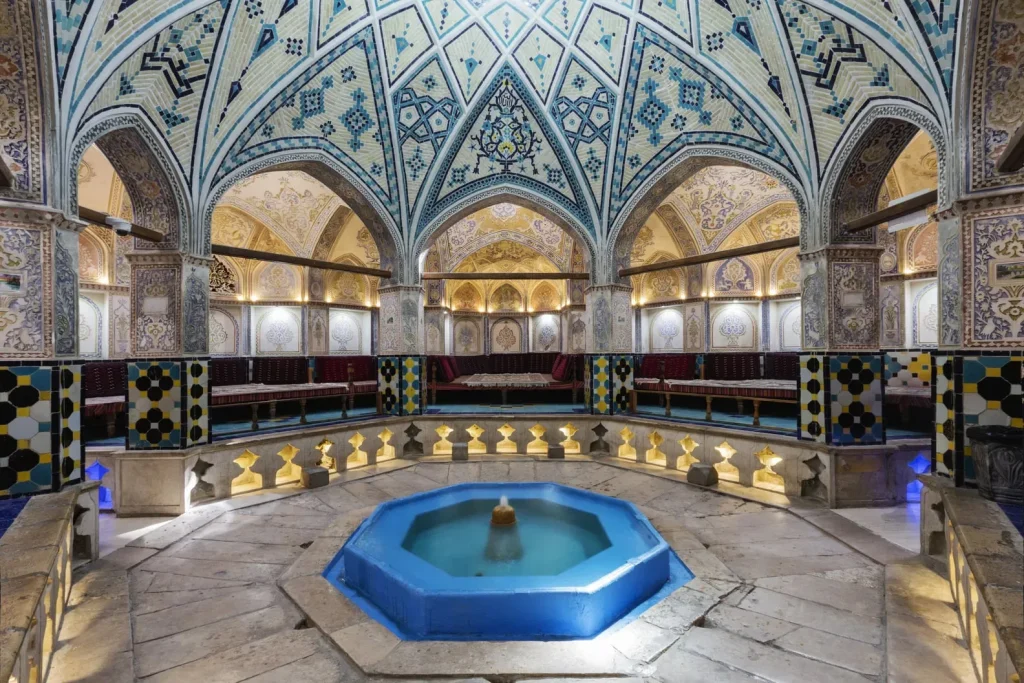
Turkish Hammam is more than a bath—it is a ritual that blends cleansing, social connection, and a philosophy of wellbeing. In steam-filled rooms and warm marble spaces, visitors move through a sequence that echoes hammam history and the enduring turkish bath rituals that have shaped spa culture. Today, the concept sits at the crossroads of traditional spa craft and modern wellness, inviting mindfulness, skin renewal, and social warmth as part of bathhouse etiquette. From sweeping exfoliation to slow hydration, the Turkish Hammam offers tangible turkish bath benefits such as improved circulation, relaxed muscles, and a refreshed sense of calm. Whether you are a curious traveler or a reader, this introductory journey reveals how this historic practice continues to resonate in contemporary wellness.
Another way to frame this experience is as a steam-soaked spa tradition rooted in Ottoman-era bathhouse culture, where ritual cleansing unfolds across a sequence of rooms. These spaces emphasize community and quiet reflection, using heat, humidity, and exfoliation to awaken the skin and soothe the senses. In modern wellness settings, practitioners translate age-old practices into contemporary spa rituals, preserving architecture, etiquette, and the essence of shared rejuvenation. Travelers seeking authentic sensory experiences often encounter a blend of heritage and luxury, where marble halls, aromatic oils, and guided kese exfoliation meet post-treatment relaxation. Framed this way, the Turkish hammam remains a living tradition—an enduring gateway to cleanliness, endurance, and cultural immersion that complements modern wellness goals.
Hammam History: From Roman Baths to Ottoman Splendor
The hammam history reveals a long arc of communal cleansing that begins in the ancient Roman and Byzantine eras, where hot and cold rooms and steamy chambers framed public health, sociability, and ritual. Marble courtyards, domed ceilings, and a sequence of heated spaces guided visitors through warmth, humidity, and purification, turning bathing into a social event as much as a personal ritual. This early lineage set a cultural template that would travel eastward, morphing with Islamic influences into a space dedicated to renewal, reflection, and shared experience.
As the Ottoman era arrived, the Turkish Hammam emerged as a cornerstone of daily life and hospitality. Grand bathhouses became community hubs where conversation, tea, and quiet contemplation accompanied cleansing. The hammam history is a record of design brilliance—lush tilework, expansive central chambers, and careful transitions from heat to coolness—paired with evolving norms around gender, etiquette, and guest services. Today, the echo of that history informs modern experiences, even as facilities modernize for accessibility, safety, and comfort.
Turkish Bath Rituals: The Sacred Sequence of Heat, Scrub, and Foam
The heart of turkish bath rituals lies in a deliberate journey through a sequence of rooms designed to heighten relaxation and skin renewal. Arrival and preparation welcome guests into a congenial space where a pestemal wraps the body and attendants provide guidance, setting a respectful tone that honors bathhouse etiquette while inviting personal comfort. In traditional settings, both men and women participate with mindful pacing, allowing the ritual to unfold rather than hurry—a principle that remains central to the practice.
In the warm room, or hararet, the body begins to sweat as heat and humidity loosen the skin and loosen tensions. The kese and foam massage—an exfoliating scrub followed by olive oil soap or aromatic foam—are signature moments of turkish bath rituals, leaving skin brighter and circulation improved. The wash and relaxation phase then rinses away debris, while a cool-down transitions the body toward balance. Some hammams finish with a cold room or private aromatherapy massage, personalizing the ritual within a framework of tradition.
Turkish Hammam and Modern Wellness: Blending Tradition with Contemporary Comfort
Modern wellness intersects elegantly with the Turkish Hammam, offering a bridge between centuries of ritual and today’s health-forward mindset. Contemporary spa guests seek cleansing, relaxation, and improved circulation, but with enhanced safety standards, climate control, and accessible facilities. The Turkish Hammam adapts by introducing high-quality natural soaps, diffusers, and ventilation that keeps air fresh, while preserving the core elements of heat, humidity, and mindful cleansing.
This fusion extends to design and services: heated marble slabs provide a massage-like effect, aromatherapy heightens mood, and curated spa menus pair hammam-inspired treatments with facials, body wraps, or couples’ experiences. Education about skincare, hydration, and step order helps guests tailor the ritual to their skin type and comfort level. In this way, modern wellness honors hammam traditions while meeting the expectations of travelers and locals seeking authentic, accessible relaxation.
Bathhouse Etiquette and Preparation: Respect, Privacy, and Gentle Interaction
Preparation for a Turkish Hammam begins with a clear sense of bathhouse etiquette and personal readiness. Guests typically wrap in a pestemal and store belongings in designated spaces, mindful of modesty and the separation practices common in traditional settings. Understanding whether days or hours are gender-segregated or mixed helps visitors prepare appropriately, while staff guidance ensures a respectful, smooth experience from arrival to departure.
What you bring and how you behave in the communal spaces matter just as much as the cleansing steps. Hydration before and after, patience during the scrubbing and massage, and courteous interaction with attendants—who perform the kese and foam massage—are all integral to a positive experience. Following the staff’s instructions, avoiding loud conversations in steam areas, and acknowledging the skill of practitioners contribute to a harmonious environment where the bathhouse etiquette supports everyone’s comfort.
Turkish Bath Benefits and Safety: Mindful Wellness in a Historic Practice
The turkish bath benefits extend beyond immediate relaxation to tangible improvements in skin texture, circulation, and muscle ease. Exfoliation through kese removes dead skin cells and enhances absorption of skincare products, while steam can help loosen joints and ease fatigue. The ritual’s slow pace and sensory richness also offer mental relief, providing a restorative counterpoint to a busy day and aligning with broader wellness goals.
Safety and mindfulness are essential for sustained benefit. Hydration is key, and guests should consult healthcare guidance if they have cardiovascular concerns, pregnancy, or skin conditions. Moderation ensures you enjoy the experience without overstimulation. By pacing steps, listening to staff, and opting for treatments suited to your skin and health, you can realize the holistic wellness promises of the Turkish Bath while honoring its enduring traditions.
Frequently Asked Questions
What is a Turkish Hammam and how does hammam history influence its architecture and rituals?
The Turkish Hammam is a cleansing ritual and social space rooted in hammam history, evolving from Roman baths to Ottoman bathhouses with marble, domed ceilings, and a sequence of heated, humid rooms designed for purification and renewal. The ritual typically guides visitors through warm rooms, exfoliation with kese, foam massage, and a final rinse, balancing tradition with modern wellness in many spas.
What are the main Turkish bath rituals experienced during a Turkish Hammam visit?
A typical Turkish Hammam visit follows a sacred sequence: arrival with a pestemal, time in the warm Hararet, a kese exfoliation followed by foam massage, a wash and relaxation, then a cold room and final rites. Attendants often perform the kese and foam massage, reflecting traditional Turkish bath rituals within a modern spa setting.
How does Turkish Hammam fit into modern wellness and what are the Turkish bath benefits?
In modern wellness, the Turkish Hammam blends centuries-old cleansing rituals with contemporary spa comforts. Benefits include improved circulation, smoother skin from exfoliation, muscle relaxation from heat and massage, and a calming mental reset—delivered within a culturally rich experience that respects bathhouse etiquette and safety.
What bathhouse etiquette should I follow when visiting a Turkish Hammam?
Follow bathhouse etiquette by arriving modestly dressed in a pestemal or towel, respecting separate or private spaces as needed, and listening to staff. Allow attendants to guide your steps for kese and foam, avoid rushing, hydrate, and tip appropriately for service quality.
Are there Turkish bath benefits for different skin types and who should avoid a Turkish Hammam?
Turkish bath benefits include exfoliation, improved skin texture, and relaxation, but people with certain conditions should consult a healthcare professional first (cardiovascular issues, pregnancy, skin conditions, or allergies). Hydration and moderation are key to safely enjoying a Turkish Hammam.
| Aspect | Key Points |
|---|---|
| Introduction | – A ritual blending cleansing, social connection, and wellbeing; steam-filled rooms for relaxation of body and spirit; sits at the crossroads of history and modern wellness; offers a culturally rich spa experience that respects tradition while embracing contemporary comfort; overview of hammam history, rituals, and modern enjoyment. |
| Hammam History: From Roman Baths to Ottoman Splendor | – Roots in Roman and Byzantine public bath culture; eastward travel and Islamic influence form the Turkish Hammam; architecture features marble, domed ceilings, and a sequence of rooms guiding warmth, humidity, and cleansing; Ottoman era elevated hammams as daily-life hubs; gender norms and etiquette shaped visits; modern spas update for convenience while preserving purification and shared experience. |
| Rituals in a Turkish Hammam: The Sacred Sequence | – Arrival and Preparation: pestemal, changing area, gender-segregated spaces, staff guidance, customary tipping of attendants – The Warm Room (Hararet): warming the body to open pores, moderate heat and humidity – The Scrub and Foam (Kese and Foam Massage): exfoliation with kese, foam massage with olive oil or aromatic soaps – The Wash and Relaxation: warm rinse, cool-down, gradual transition to balance – The Cold Room and Final Rites: cool-down space, optional aromatherapy or oil massage; ritual may vary. |
| Modern Wellness in the Turkish Hammam | – Contemporary amenities and safety standards; high-quality soaps, diffusers, ventilation, heated marble slabs, aromatherapy, soothing music; hammam-inspired facials, wraps, and couples experiences; education on skincare, steps, temperatures, and hydration. |
| What to Expect When Visiting: Etiquette, Attire, and Tips | – Dress modestly; pestemal provided or bring your own; separate days or mixed hours by setting; bring water, change of clothes, and personal items; follow staff instructions, respect privacy, avoid loud conversations; hydrate before, during, and after; acknowledge attendants for kese and foam massage. |
| Choosing a Hammam: Historic and Modern Destinations | – Historic bathhouses vs modern spa facilities; iconic Istanbul hammams like Çemberlitaş Hamamı, Cağaloğlu Hamamı, and Kılıç Ali Pasha Hamamı; boutique or contemporary experiences with privacy and comfort. |
| Health Benefits and Evidence | – Exfoliation removes dead skin and aids absorption; steam and heat improve circulation and relieve stiffness; the ritual offers mental relief and a sense of renewal. |
| Safety Considerations | – Those with cardiovascular issues, pregnancy, or skin conditions should consult a healthcare professional; stay hydrated; inform staff if dizzy; move to a cooler space; practice moderation. |
| The Cultural Value: A Living Tradition in a Global World | – A living cultural practice that evolves while preserving roots; fosters connection among strangers, between body and environment, and between past and present; offers a deliberate pause in a fast-paced world. |
| Practical Guidance for a Rich Experience | – Research hammams (historic landmarks vs modern spas); dress appropriately; pace the ritual; hydrate; inform attendants about skin sensitivities. |
| Conclusion: Embracing History, Ritual, and Wellness | – The Turkish Hammam offers more than cleansing; a gateway to a centuries-old tradition that resonates with wellness-minded travelers; understanding hammam history, respecting ritual, and appreciating modern comfort create a meaningful, rejuvenating experience; architecture, steam, and social and cultural dimensions invite a slow, cleansing reconnection. |
Summary
The HTML table above outlines the key points of the base content in English, organized by aspect and summarized into concise bullet points for quick reference. After the table, a descriptive, SEO-friendly conclusion in Turkish Hammam style emphasizes the enduring value of this heritage-driven wellness ritual.