
Turkish Hammam history is a rich tapestry that spans centuries, connecting ancient bath traditions with today’s wellness-driven culture. From the architectural marvels of hammam spaces to the modern spa experiences that echo their steam-filled rooms, the practice has evolved while remaining a symbol of cleanliness, sociability, and self-care. This overview traces the line from Roman and Byzantine roots through the grandeur of Ottoman baths to the global wellness movements that keep the tradition alive. Along the way, we’ll examine the rituals, the architecture, and the cultural significance that make the hammam a unique and enduring institution. If you’re curious about how a centuries-old practice informs today’s spa culture, you’ll find compelling connections between past and present in the evolution of the tradition.
Beyond the term hammam, the narrative expands into the Ottoman bath tradition, the steam-soaked interiors, and the social rituals that have long shaped Turkish spa culture. Readers can encounter related ideas such as steam rooms, kese exfoliation, and ceremonial cleansing, which anchor the heritage in modern wellness practice. Modern wellness hammams fuse this historic ethos with contemporary comforts—private treatment spaces, climate-controlled rooms, and aromatherapy—without losing the rhythm of ritual cleansing. In essence, the story can be read as a lineage of Turkish bath rituals expressed through architecture, social practice, and evolving spa experiences.
1. The Evolution of Turkish Bath History: From Roman Roots to Ottoman Splendor
Turkish bath history traces its roots to the Greco-Roman bath culture, carried forward through the Byzantine era and into Islamic traditions, where cleanliness, social ritual, and spirituality began to intertwine. When the Ottomans established their imperial capital in Istanbul, they absorbed and reimagined these older practices, weaving them into a distinctive Turkish bath history that bridged Mediterranean habits with local Turkish sensibilities. This synthesis helped transform communal bathing into a cultural ritual that carried the weight of both heritage and daily life.
Over time, architectural grandeur and social function amplified the hammam’s role in society. As the Ottoman era progressed, the bathhouse evolved from a utilitarian space into a ceremonial landmark that embodied cleanliness, hospitality, and communal bonding. The journey from Roman and Byzantine antecedents to Ottoman grandeur set the stage for a tradition that would influence Turkish bath rituals for centuries to come.
2. Ottoman Architecture and the Social Fabric of Hammams
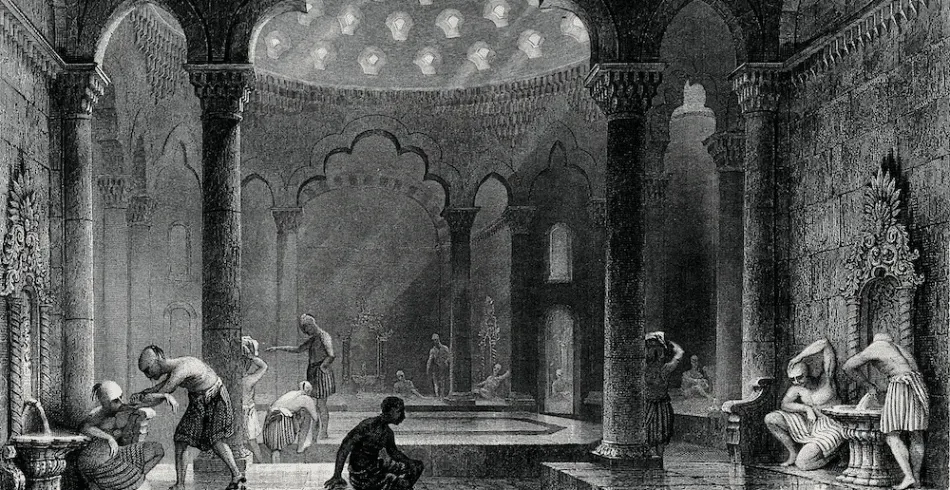
Ottoman baths are architectural marvels as much as social centers. A typical hammam is built around a sequence of rooms that control heat and humidity, culminating in a cool plunge or resting area. Marble surfaces, domed ceilings, and intricate tilework create a sense of ceremonial awe, turning bathing into a disciplined, almost ritualized act. In this way, Ottoman baths fuse architecture with the Hammam culture, shaping a space where beauty, hygiene, and social interaction coexist.
Beyond their physical design, hammams functioned as essential social venues. People gathered for conversation, matchmaking, religious preparation, and even business discussions, making Turkish bath history inseparable from the broader social fabric of the empire. The architecture supported a rhythm of life where community, ritual, and daily routine converged in a shared cleansing experience.
3. Rituals and Techniques: From Kese to Foam
The ritual of the hammam is a carefully choreographed sequence that converts cleansing into a ceremony. Guests begin in a warm room to acclimate to the heat, then move through progressively hotter spaces as the body relaxes and opens its pores. The kese, a rough exfoliating mitt, is used by a trained attendant—often a tellak (male) or natır (female)—to remove dead skin and stimulate circulation. This key element anchors Turkish bath rituals, connecting ancient practice with contemporary spa experiences.
Following exfoliation, warm soap lathers are applied, and a massage soothes tired muscles while renewing vitality. The final touches—oils and perfumes—add sensory depth, leaving skin nourished and spirits refreshed. The enduring sequence—the steam, the scrub, the foam, the massage—remains a defining hallmark of Turkish Hammam history and continues to inform modern wellness rituals around the world.
4. From Ottoman Baths to Modern Wellness Hammams: A Continuity of Care
As centuries passed, the hammam adapted to changing technologies, urban development, and global travel. In the 19th and early 20th centuries, European interest helped popularize the Turkish bath experience beyond its borders, leading to renewed restoration and adaptation of historic hammams to serve contemporary needs. This shift marks a pivotal point in Turkish Hammam history: the ancient practice endures precisely because it evolves while preserving core rituals and the sense of ceremonial care that defines Turkish bath history.
Today’s modern wellness hammams blend traditional procedures with state-of-the-art comfort. The physics of steam and heat remains central, but facilities often feature climate-controlled rooms, private treatment spaces, and spa-grade products. While the kese and foam persist, many guests also encounter aromatherapy, hydrotherapy, and personalized rituals designed to align with modern wellness goals. In this light, Turkish hammams continue to thrive by honoring tradition while embracing accessibility, inclusivity, and health-conscious design in the modern wellness movement.
5. Global Influence and Architectural Echoes of Hammam Culture
The influence of Turkish Hammam history extends far beyond Turkey’s borders. In the Balkans, the Middle East, and parts of Europe, restored hammams attract travelers seeking an authentic taste of Ottoman spa culture. Architects and designers frequently reinterpret domed ceilings, marble finishes, and intricate tilework to create contemporary spaces that nod to history while delivering an immersive, modern experience. The hammam’s legacy is visible in international wellness centers where steam, ritual cleansing, and social spaces form core offerings.
This global diffusion underscores how Hammam culture travels well: heritage-informed design, preserved rituals like kese exfoliation, and a shared language of steam and soap can unite diverse audiences. As travel and cultural exchange continue, the legacy of Ottoman baths and Turkish bath history remains a relevant reference point for modern spa culture, highlighting how centuries-old practices can inform today’s wellness-driven lifestyles.
Frequently Asked Questions
How does Turkish bath history illuminate the architectural and social role of Ottoman baths?
Turkish bath history shows that Ottoman baths were architectural landmarks designed around a sequence of rooms with controlled heat and humidity. Marble surfaces, domed ceilings, and intricate tilework created a ceremonial setting, while hammam culture made baths centers for hygiene, sociability, matchmaking, and religious preparation.
What are the key Turkish bath rituals that define Hammam culture and how were they performed?
Turkish bath rituals begin with acclimation in a warm room, move through hotter spaces for pore-opening, then include kese exfoliation by a tellak or natır, followed by warm foam, massage, and oils—core elements of Turkish bath rituals that shaped hammam culture.
How did Turkish Hammam history transition into modern wellness hammams around the world?
From Ottoman baths through the modern era, Turkish Hammam history shows adaptation: historic hammams were restored or repurposed, and today modern wellness hammams blend traditional ritual steps with climate-controlled spaces, privacy, and spa treatments.
What social functions did Ottoman baths serve, according to Turkish bath history?
Ottoman baths acted as communal centers beyond cleanliness—spaces for conversation, matchmaking, education, and religious preparation, reflecting hammam culture as a social fabric of the empire.
What should visitors know to experience Turkish bath history today within modern wellness hammams?
When visiting today, in the context of Turkish bath history, arrive early to acclimate to the heat, follow the facility’s etiquette, and try traditional steps like kese and foam; modern wellness hammams may offer private spaces and wellness enhancements, reflecting the evolution from historic Ottoman baths to today’s spa culture.
| Aspect | Key Points | Details |
|---|---|---|
| Origins and Early Influences | Communal bathing roots pre-Ottoman; synthesis of Greco-Roman, Byzantine, and Islamic traditions | Turkish Hammam history traces older Mediterranean practices and transforms cleanliness into a cultural ritual. |
| Ottoman Architecture and Social Function | Architectural landmarks; sequence of heated rooms; social hub | Marble, domes, tilework; hammams as places for conversation, matchmaking, religious prep, and business. |
| Rituals and Techniques: From Kese to Foam | Warm room acclimation, progression to hotter spaces, exfoliation with kese, foam, and massage | Attendants (tellak/natır) perform exfoliation; oils, perfumes; the steam–scrub–foam–massage sequence remains central to Turkish Hammam history. |
| Cultural Significance | Ritual purification, social bonding, and education; family life and community events | Gendered spaces historically; hammams as forums for poetry, learning, and exchange; a core thread in Turkish Hammam history. |
| From Ottoman Baths to Modern Wellness | Shift with technology, urban development, and global travel; historic hammams adapted for modern needs | Preservation through restoration and adaptation; the tradition endures by evolving with contemporary comfort. |
| The Rise of Modern Wellness Hammams | State-of-the-art comfort with traditional procedures | Steam, climate control, aromatherapy, spa products, inclusive design; wellness goals integrated with ritual. |
| Global Influence and Architectural Echoes | Influence beyond Turkey; domes and marble in contemporary spa designs | International centers reflect Ottoman heritage while offering immersive experiences inspired by Turkish Hammam history. |
| Caring for Tradition in the Modern Age | Restoration, hygiene, inclusivity; etiquette and preparation vary by locale | Visitors learn basic etiquette and phrases; respect for ritual rhythm and centuries of Turkish Hammam history. |
| Experiencing a Hammam Today: Practical Tips | Multi-room journey with warm → hot → cool-down; kese exfoliation and foam with an attendant | Hydration, modesty norms, and appreciating marble, steam, fragrances, and the cleansing rhythm as part of the experience. |
| A Personal and Public Heritage | Dual identity as personal wellness ritual and public cultural heritage | Preserving ancient practices while updating facilities for modern wellbeing sustains relevance and meaning in Turkish Hammam history. |