
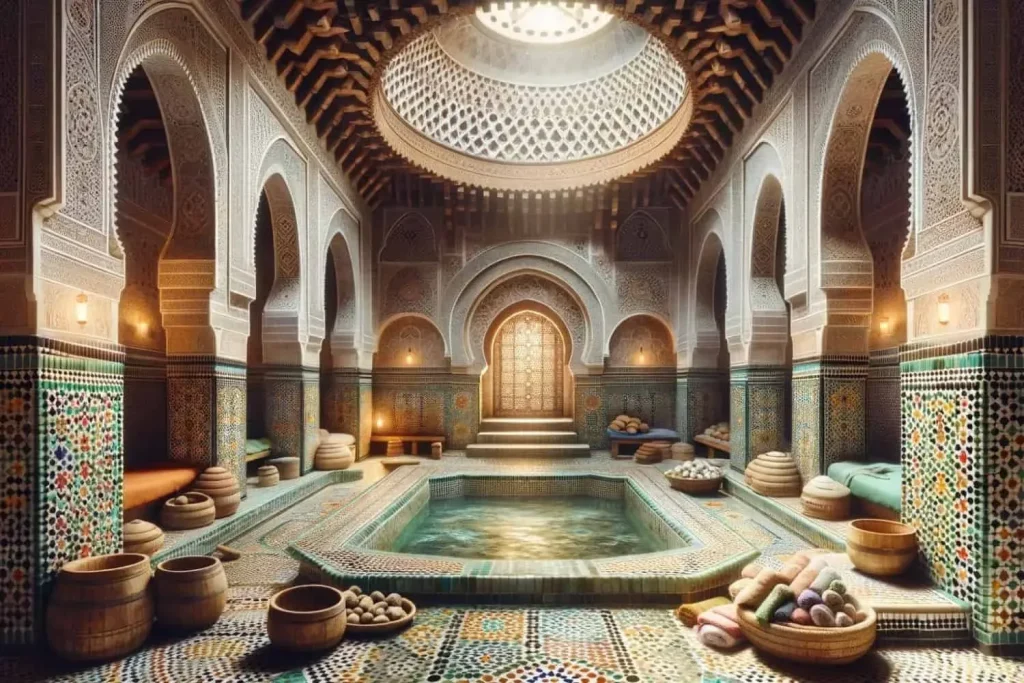
Hamam rituals have fascinated travelers and wellness enthusiasts for centuries. Far more than a simple bath, a traditional hamam experience blends heat, water, cleansing rituals, and careful hospitality into a holistic ritual that leaves the body feeling refreshed and the mind calm. At its core, a hamam ritual focuses on three elements that guests encounter in order: steam rooms to open and soften the skin, scrubs to exfoliate and revitalize, and massages or soaks to promote relaxation and circulation. When you understand these elements and how they fit together, you can appreciate why the Turkish bath and similar steam bath traditions remain popular today. This guide explains the key components of the tradition and offers practical tips to help you enjoy the experience responsibly and safely, while honoring hamam etiquette.
Even when described with different terms, the essence of this steam-based cleansing practice remains the same. In many places, practitioners refer to the tradition as a bathhouse ritual or a traditional steam bath experience, emphasizing etiquette, privacy, and shared space. The language may shift—calling it a kese exfoliation, a hammam, or a warm-water cleansing routine—but the core idea endures: a structured progression that opens pores, polishes the skin, and soothes the body and mind.
Hamam rituals: A Sensory Guide to Steam Rooms, Scrubs, and Massages
Hamam rituals invite you into a full-body ceremony that blends heat, water, and mindful touch. This guide highlights how the core steps—steam rooms, scrubs, and massages—work together to renew skin, calm the mind, and restore energy within the context of a traditional Turkish bath-inspired experience.
Because this is a sensory journey as much as a cleansing routine, expect humid air that softly envelops the body, the tactile rhythm of a kese during scrub, and the soothing glide of oils in the final massage. Framing the experience as a ritual helps guests approach it with patience and respect, optimizing comfort and long-lasting renewal.
Steam Rooms in the Hamam Rituals: Preparing Skin and Senses for the Journey
Steam rooms create a controlled heat and humidity that raise skin temperature gently, soften natural oils, and prepare the body for cleansing. In this opening act, pores begin to open and muscles relax, setting the stage for deeper purification and improved absorption of subsequent products.
A mindful progression from warmer to cooler rooms helps the body acclimate, a hallmark of the Turkish bath-inspired flow that many spas call the hamam sequence. Staying hydrated and moving at a steady pace enhances comfort and maximizes the cleansing benefits of the steam.
Scrubs and Exfoliation: Renewing Skin with Kese Techniques
The kese exfoliating glove reveals a layer of fresh skin by removing dull cells and stimulating microcirculation. The scrub can feel intense, but trained attendants balance pressure to avoid irritation while guiding you through a cleansing ritual that primes the skin for oils and soaps.
Exfoliation isn’t only cosmetic; it primes the skin for subsequent steps by opening pores and improving absorption. The scrub is a moment of renewal within the Hamam rituals, laying the groundwork for renewed vitality and a smoother, more receptive complexion.
Massages and Soothing Oils: Deep Relaxation and Skin Nourishment
After exfoliation, a massage or guided oil treatment completes the trio of core steps. Massages in this context are slow, deliberate strokes designed to improve circulation, ease muscle stiffness, and promote a profound sense of relaxation that lingers after the session.
Oils or soaps used during the massage nourish the skin and help seal moisture, leaving the body hydrated and the mind calm. A well-executed massage within Hamam rituals provides relief for the back, shoulders, and neck while supporting overall well-being and restorative energy.
Etiquette, Safety, and Regional Variations in Turkish Bath Traditions
Etiquette matters in any hamam experience, with regional differences shaping how guests interact in shared spaces. Hamam etiquette emphasizes modesty, respectful communication with attendants, and awareness of pace and boundaries to ensure everyone can enjoy the ritual.
Understanding regional variations—such as the Turkish bath style in Turkey or ornate hammams elsewhere—helps visitors choose experiences that align with preferences. Clear guidance from staff, appropriate wraps or garments, and mindful participation ensure safety and comfort while honoring the traditions embedded in steam rooms, scrubs, and massages.
Frequently Asked Questions
What are the core components of Hamam rituals in a Turkish bath, and how do steam rooms, scrubs, and massages fit together?
Hamam rituals center on three core elements: steam rooms to open and soften the skin, scrubs to exfoliate and renew the surface, and massages to nourish and relax the body. The experience typically progresses from warm steam in the steam rooms to exfoliation with a kese, followed by cleansing with soap or oil, and finishing with a soothing massage. This sequence in a Turkish bath emphasizes mindfulness, cleansing, and rejuvenation, making the ritual more than just a bath.
How should I prepare for a Hamam ritual to maximize benefits in a Turkish bath?
Arrive relaxed and hydrated, and wear the appropriate towels or garments provided by the facility. Familiarize yourself with the typical sequence—steam rooms to open pores, scrubs to remove dead skin, and massages to finish—so you know what to expect. Communicate any sensitivities to the attendant and observe hamam etiquette, such as pacing with the staff and respecting shared spaces.
What can I expect during the scrub phase in Hamam rituals, and how does it affect the skin?
The scrub phase centers on a kese or rough exfoliating glove, performed by a trained attendant to remove dead skin cells and stimulate microcirculation. Pressure is adjusted to avoid irritation, and oils or soaps like olive oil soap or black soap may be used during the scrub. After exfoliation, the skin benefits from improved texture and better absorption of subsequent cleansing oils and moisturizers.
Is a massage always included in Hamam rituals, and what are its benefits?
Massages or oil treatments often follow the scrub in Hamam rituals, though the exact steps can vary by facility. A well-delivered massage uses slow, deliberate strokes to improve circulation, ease muscle stiffness, and promote deep relaxation, while hydrant oils nourish the skin. The massage helps create a continuous flow from heat and cleansing to nourishment, leaving you with a sense of lightness and calm.
What etiquette should I follow in a Hamam to respect others and get the most from steam rooms, scrubs, and massages?
Hamam etiquette emphasizes modesty, courtesy, and clear communication with attendants. Use towels or provided garments, respect shared spaces, and inform staff of sensitivities or preferred pressure. Adhere to the typical sequence—steam rooms, scrubs, then massages—and pace yourself to honor others’ experience, ensuring everyone can enjoy the ritual safely and respectfully.
| Aspect | Key Points |
|---|---|
| Steam Rooms | Open and soften skin; warm, humid environment (≈40–50°C); promotes sweating, relaxation, and skin prep for exfoliation. |
| Scrubs and Exfoliation | Use a kese or glove to remove dead skin; improves microcirculation; may involve olive oil or black soap; prepares skin for oils. |
| Massages and Oils | Slow, deliberate strokes; improves circulation; nourishes skin; fosters deep relaxation and well-being. |
| The Sequence and Etiquette | Typical flow: steam → scrub → cleanse → massage; respect shared space; modesty and appropriate attire; communicate preferences. |
| Benefits and Mindful Health Impacts | Better circulation; reduced muscle tension; stress relief; improved mood and skin hydration. |
| Regional Variations | Variations by region (e.g., Turkish kese, Moroccan argan oil) while core elements remain steam, scrub, massage. |
| Hamam at Home | Steam or hot shower; kese scrub; oil or lotion; emulate atmosphere with music, lighting, and spacing. |
| Safety and Comfort | Be cautious with skin conditions, pregnancy, heart conditions; stay hydrated; pause if uncomfortable. |
| Choosing a Hamam | Look for hygiene, clear step sequence, trained attendants, availability of kese, oil options; check session length. |
| Common Myths | Not only cleansing; not always painful; nudity not universally required; options exist for comfort. |