
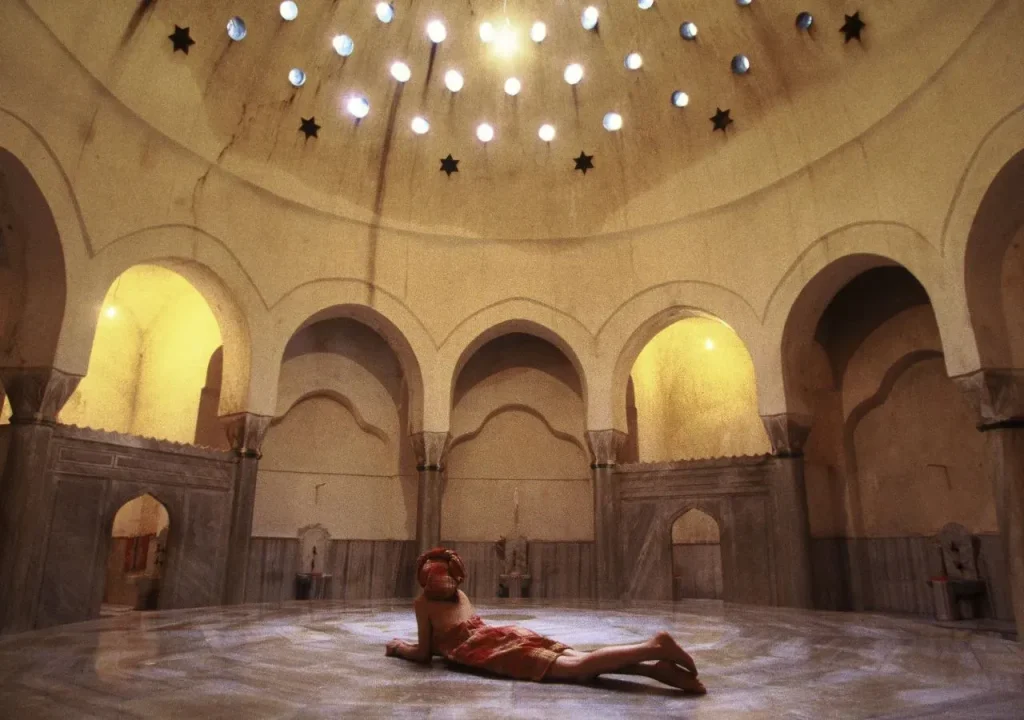
The Turkish bath experience invites you into a ritual that blends warmth, scent, and quiet focus. As you step into a traditional hammam, steam-softened air and marble surfaces set the stage for relaxation, skin-refreshing benefits, and a sense of calm. Hammam etiquette for beginners helps you move with ease, from greetings to the pace of conversation and honoring the attendants’ expertise. What to wear in a Turkish bath often starts with a pestemal wrapped modestly around the body, while some venues offer swimsuits in mixed areas. A step-by-step Turkish bath guide can help you anticipate the flow, while knowing the benefits of a Turkish bath and what to expect in a hammam enhances confidence.
In another view, the experience might be described as a Turkish spa ritual that blends heat, water, and mindful touch. A hammam session emphasizes communal warmth and exfoliation, delivered through skilled attendants in a soothing architectural space. Think of it as a steam bath tradition that calms the senses, improves circulation, and leaves the skin hydrated. From a wellness perspective, participants often report reduced stress, improved mood, and lasting relaxation after the ritual.
What to Expect in a Hammam: A First-Timer’s Guide
Entering a hammam for the first time can feel ceremonial, but it quickly becomes a soothing rhythm of heat, water, and calm. You’ll move through a sequence of warm rooms, steamy air, and attentive staff who guide you through the space. Understanding what to expect in a hammam helps you relax rather than guess, so you can focus on breath, posture, and the pace of the ritual.
The environment is designed to soften the body and quiet the mind: smooth marble benches, muted lights, and the scent of oils mingle with steam. The experience typically unfolds in stages—acclimation in a warm room, exfoliation with a kese, and a foam massage—culminating in rinses and a gentle cool-down. If you’re curious about the process, you can also follow a step-by-step Turkish bath guide to know what happens next at each stage.
What to Wear and Hammam Etiquette for Beginners
What to wear in a Turkish bath is a common question for newcomers. Many hammams offer the option of wrapping in a pestemal, a lightweight towel-like cloth, which provides modesty and ease of movement. Some facilities accept swimsuits or bikinis in mixed or family spaces, so it’s wise to call ahead about the dress code. Bringing a clean towel and water helps you stay comfortable and hygienic throughout the visit.
For a smooth and respectful experience, keep in mind hammam etiquette for beginners: speak softly, move slowly, and let attendants guide the ritual. Respect boundaries, communicate any medical concerns or comfort limits, and avoid rushing between rooms. The attire choice is part of this etiquette, signaling comfort and modesty as you participate in the shared space.
Step-by-Step Turkish Bath Guide: From Arrival to Final Rinse
Step-by-Step Turkish Bath Guide: From Arrival to Final Rinse outlines the practical path you’ll follow. On arrival, you check in, remove shoes, and change into your chosen attire before being oriented to the layout and sequence by staff. You’ll learn where to go for each stage and how to position yourself for comfortable relaxation during the journey.
Next comes acclimation in the warm room, followed by exfoliation and cleansing with a kese, then a köpük foam massage. You’ll be rinsed, possibly moved to a hotter room, and finally cooled down with rest and another rinse. The guide emphasizes patience and listening to your body, adjusting pressure or skipping steps as needed, and sipping water to stay hydrated.
Turkish Bath Experience: Benefits for Body, Mind, and Skin
Turkish Bath Experience: Benefits for Body, Mind, and Skin highlights why many people return again and again. The benefits of a Turkish bath include improved skin texture and hydration from steam and exfoliation, better circulation, and deeper muscle relaxation from heat and massage. The ritual also nourishes the nervous system by providing a calm, focused pause in a busy day.
Regular sessions may support stress relief, mood stability, and a general sense of well-being. While individual results vary, guests often report feeling lighter, more energized, and emotionally steadier after a full cycle. Integrating the emotional benefit with the physical benefits makes the Turkish bath a holistic wellness practice rather than a one-off treatment.
Attendant-Guided Rituals: Exfoliation, Foam Massage, and Post-Bath Care
Attendant-Guided Rituals: Exfoliation, Foam Massage, and Post-Bath Care centers on the skilled work of the attendant. The kese and köpük are classic elements that cleanse and invigorate the skin, performed with care and attention to comfort. The attendant adapts pressure and technique to your body and preference, turning the heat and friction into a controlled, therapeutic experience.
Post-bath care is essential to maximize results: rehydrate, rest, and apply light moisturizer to seal moisture. Attendant-guided rituals often include tips for cooling down, hydration, and gentle aftercare. With the right follow-through, you’ll leave the hammam with renewed breath, calmer nerves, and skin that feels refreshed rather than irritated.
Frequently Asked Questions
What to expect in a hammam during your Turkish bath experience?
A Turkish bath experience in a hammam typically unfolds across a sequence of warm rooms, steam, and marble benches. An attendant usually performs exfoliation (kese) and a foam massage (köpük), followed by rinses and a cool‑down. The goal is cleansing, skin softening, and deep relaxation, leaving you calmer and refreshed. Attire and etiquette should be comfortable and respectful of others in the space.
What to wear in a Turkish bath and how does hammam etiquette for beginners work?
Most first‑timers wear a pestemal (a lightweight wrap) during a Turkish bath, though some facilities allow swimsuits where appropriate. For hammam etiquette for beginners, keep voices soft, move slowly, and let attendants guide the scrub and massage. Bring a clean towel and water, and ask about dress code if you’re unsure. The key is comfortable attire that respects others sharing the space.
What is a step-by-step Turkish bath guide for first-timers?
Here’s a concise step-by-step Turkish bath guide: arrive and check in, change into your chosen attire, and acclimate in the warm room. Then undergo exfoliation with a kese, followed by a foam massage, rinses, and progression through hotter rooms. Finish with a cool-down and final rinse before returning to the changing area. Listen to attendants and breathe slowly to maximize relaxation.
What are the benefits of a Turkish bath experience?
The benefits of a Turkish bath experience include improved skin texture and hydration from steam and exfoliation, better circulation, and muscle relaxation from heat and massage. The ritual also supports stress relief and a sense of well-being through mindful pacing and soothing atmosphere. Results vary, but many visitors feel renewed after a full session.
How long does a Turkish bath experience last, and what to expect in a hammam during the session?
Most sessions run about 60 to 90 minutes, depending on the venue and your tolerance for heat. What to expect in a hammam includes a progression of warmth, steam, exfoliation, foam massage, and rinses, with attendants guiding you through each stage. You’ll leave feeling refreshed, with eased muscles and a calmer mind.
| Topic | Key Points | Notes |
|---|---|---|
| What is a Turkish bath experience like? | Ritual built around heat, water, and massage; aims to open pores, soften skin, and promote circulation; renewal and calm. | More than a steam room; typical hammam includes warm rooms, marble surfaces, and attendants who exfoliate and foam massage. |
| Before you go: setting expectations and choosing a hammam | Choose venue by location, comfort, and experience style; look for clear instructions for newcomers and available attendants; rest area after the session. | Decide attire (pestemal vs swimsuits); bring a clean towel and water; ask about dress code if unsure. |
| Step-by-step experience (summary) | Six stages: arrival/orientation; acclimation in warm room; exfoliation and cleansing (kese and foam massage); rinsing and hotter room; cool-down and rest; final rinse and return to ordinary space | The staff may outline the sequence; ask questions about room order, hygiene practices, and attendants’ locations. |
| What to wear and etiquette | Pestemal or swimsuit depending on facility; maintain a soft-spoken, respectful demeanor; allow attendants to perform their role; avoid rushing | Traditional attire is wrapped modestly; confirm swimsuit policy in mixed or traditional areas; keep behavior calm and hygienic. |
| Sensory details and pacing | Steam creates humid, fragrant air; soft lighting; scents of soaps and oils; multi-sensory journey | Expect a rhythm of warmth, moisture, and timing designed to deepen relaxation and cleansing. |
| Benefits | Improved skin texture/hydration; enhanced circulation and muscle relaxation; stress relief and mindfulness; overall sense of well-being | Results vary; regular sessions can contribute to ongoing renewal and calm. |
| Practical tips and common questions | What to wear; session duration (roughly 60–90 minutes); safety considerations; shower before entering | Follow facility guidelines; consult a doctor if you have medical concerns; hydration is important. |
| Role of the attendant | Attendant guides the process, adapts techniques, performs exfoliation and foam massages | Attendants are an integral part of the ritual and should be treated with respect as professionals. |
| Post-bath care | Hydrate, rest, moisturize; light snack or tea to extend relaxation | Use follow-up hydration and calm activities to maximize benefits after the session. |
| Variations and authenticity | Sequence and amenities vary by country/region/facility; some blend traditional methods with modern comforts | Seek venues that highlight traditional practices, trained attendants, and clear ritual information. |
Summary
Conclusion: The Turkish bath experience offers a journey of cleansing, relaxation, and cultural ritual that speaks to body and mind. By understanding the sequence, etiquette, attire, and benefits, you can approach the hammam with confidence and curiosity. Although details vary by venue, the core rhythm—arrival, acclimation, exfoliation, rinsing, rest, and final refresh—serves as a doorway to renewed skin, improved circulation, and a centered, calm state that you can revisit over time.